Spoiler scope: Full Suzume spoilers.
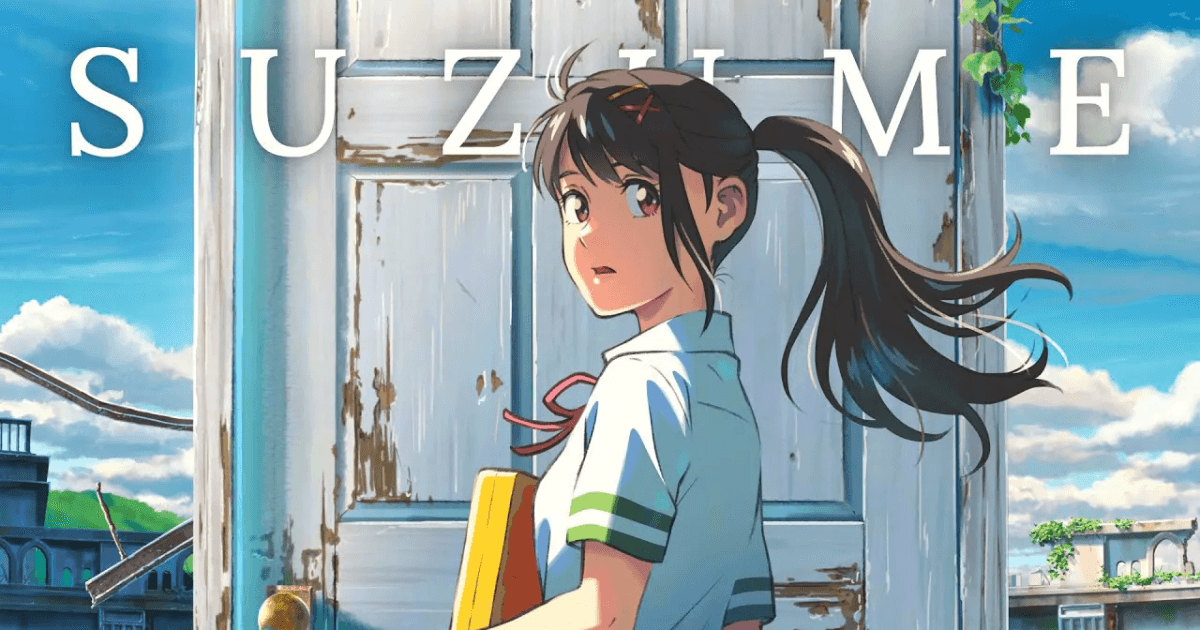
Suzume is Makoto Shinkai's most direct attempt to write about disaster memory. The fantasy doors are not only portals; they are places where abandoned lives, national trauma and private grief collect.
This draft is written as an evergreen guide rather than a news post. It avoids rumours, leak culture and thin recap, and instead focuses on what a reader can still use months from now: viewing order, character motivation, adaptation choices, theme, production context and the specific reason the work has stayed in conversation.
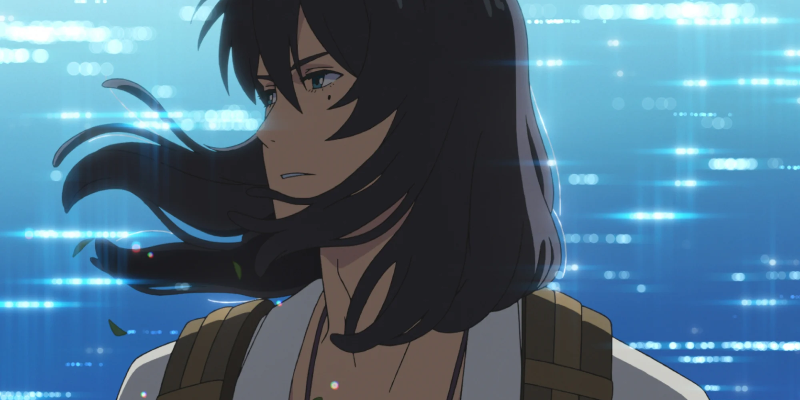
Doors as memory sites
Each door opens in an abandoned place, which turns urban decay into emotional geography. In Suzume explained, this is not just a plot point; it is the engine that decides how the audience reads the next scene. The emotional detail matters because the article is trying to separate what the show says from what the show makes the viewer feel. The distinction is important for review because anime fandom often compresses a scene into a meme, a fight clip or a quote. A useful long-form reading slows the moment down again and asks what the director, writer or original manga chapter needed that moment to do.
The useful way to read this section is through doors as memory sites. A weaker recap would simply list events. A better reading asks why those events are arranged in this order, what information is being withheld, and what the adaptation gains by slowing down or skipping past the obvious dramatic beat. That is also what separates an evergreen anime article from a quick reaction post: the reader should leave with a framework they can use on a rewatch, not only a reminder of what happened.
That is why the detail is worth returning to on a rewatch. The ritual works because it combines Shinto-inflected gesture with disaster mourning. Once you notice the pattern, the series becomes less about isolated big moments and more about the quiet decisions that connect them. This is especially true in anime, where timing, voice acting, colour design and music can change the meaning of the same scene without changing a line of dialogue. The written version can name those choices clearly enough for the viewer to go back and see them.
The chair
Souta's chair form looks comic, but it is tied to Suzume's childhood loss. In Suzume explained, this is not just a plot point; it is the engine that decides how the audience reads the next scene. The emotional detail matters because the article is trying to separate what the show says from what the show makes the viewer feel. The distinction is important for review because anime fandom often compresses a scene into a meme, a fight clip or a quote. A useful long-form reading slows the moment down again and asks what the director, writer or original manga chapter needed that moment to do.
The useful way to read this section is through the chair. A weaker recap would simply list events. A better reading asks why those events are arranged in this order, what information is being withheld, and what the adaptation gains by slowing down or skipping past the obvious dramatic beat. That is also what separates an evergreen anime article from a quick reaction post: the reader should leave with a framework they can use on a rewatch, not only a reminder of what happened.
That is why the detail is worth returning to on a rewatch. It keeps grief visible without making every scene verbally heavy. Once you notice the pattern, the series becomes less about isolated big moments and more about the quiet decisions that connect them. This is especially true in anime, where timing, voice acting, colour design and music can change the meaning of the same scene without changing a line of dialogue. The written version can name those choices clearly enough for the viewer to go back and see them.
The 3/11 undercurrent
The film does not name every historical detail, but its emotional map points clearly to the Tōhoku disaster. In Suzume explained, this is not just a plot point; it is the engine that decides how the audience reads the next scene. The emotional detail matters because the article is trying to separate what the show says from what the show makes the viewer feel. The distinction is important for review because anime fandom often compresses a scene into a meme, a fight clip or a quote. A useful long-form reading slows the moment down again and asks what the director, writer or original manga chapter needed that moment to do.
The useful way to read this section is through the 3/11 undercurrent. A weaker recap would simply list events. A better reading asks why those events are arranged in this order, what information is being withheld, and what the adaptation gains by slowing down or skipping past the obvious dramatic beat. That is also what separates an evergreen anime article from a quick reaction post: the reader should leave with a framework they can use on a rewatch, not only a reminder of what happened.
That is why the detail is worth returning to on a rewatch. That overlap is why the final act feels heavier than the romance setup suggests. Once you notice the pattern, the series becomes less about isolated big moments and more about the quiet decisions that connect them. This is especially true in anime, where timing, voice acting, colour design and music can change the meaning of the same scene without changing a line of dialogue. The written version can name those choices clearly enough for the viewer to go back and see them.
Why the ending is gentle
The younger Suzume scene avoids a simple time-loop trick by focusing on comfort. In Suzume explained, this is not just a plot point; it is the engine that decides how the audience reads the next scene. The emotional detail matters because the article is trying to separate what the show says from what the show makes the viewer feel. The distinction is important for review because anime fandom often compresses a scene into a meme, a fight clip or a quote. A useful long-form reading slows the moment down again and asks what the director, writer or original manga chapter needed that moment to do.
The useful way to read this section is through why the ending is gentle. A weaker recap would simply list events. A better reading asks why those events are arranged in this order, what information is being withheld, and what the adaptation gains by slowing down or skipping past the obvious dramatic beat. That is also what separates an evergreen anime article from a quick reaction post: the reader should leave with a framework they can use on a rewatch, not only a reminder of what happened.
That is why the detail is worth returning to on a rewatch. The film's final closure is an act of care, not conquest. Once you notice the pattern, the series becomes less about isolated big moments and more about the quiet decisions that connect them. This is especially true in anime, where timing, voice acting, colour design and music can change the meaning of the same scene without changing a line of dialogue. The written version can name those choices clearly enough for the viewer to go back and see them.
Final recommendation
If you are new to this topic, start with the episodes, chapters or films named in the sections above and then return to this article after a rewatch. The point is not to treat anime as homework. The point is to make the second watch richer than the first, because the best shows in this space reward attention rather than speed.
Before publishing, this draft should be checked for spoiler scope, source wording and whether the title matches the reader's actual search intent. If the article is a watch guide, confirm that the order is still current. If it is a character study or ending explainer, confirm that the piece does not accidentally reveal late manga material outside the stated scope. That editorial pass is what keeps the article useful and avoids the thin, scraped or generic feel that AdSense reviewers are trained to reject.
Last updated: April 2026.