Bleach: Thousand-Year Blood War Part 4 (final cour) — what to expect from the Yhwach finale
The final cour of Bleach: Thousand-Year Blood War is the end of an adaptation more than a decade in the making. Here is which manga chapters it covers, what fans want fixed, and why it might be the best modern shōnen finale.
Anime and manga editor at Action News. Has been watching seasonal anime since 2010 and reading shōnen and seinen manga in scanlations and licensed releases. Writes the watch-order guides, character studies and ending-explained pieces. Reach out for tips: actionnews@actionnews.online.
9 min read1,744 words
Bleach: Thousand-Year Blood War Part 4 (final cour) — what to expect from the Yhwach finale
Spoiler scope: Spoilers through TYBW Part 3; broad notes on remaining manga finale material.
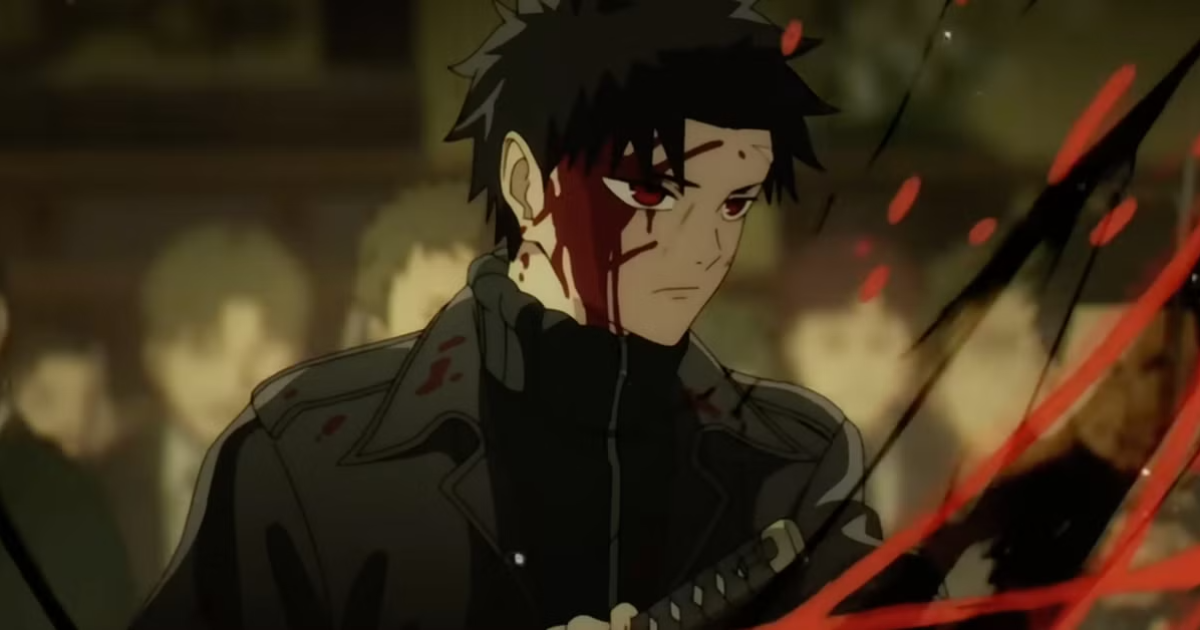
Bleach: Thousand-Year Blood War Part 4 is not just the end of a season — it is the end of the adaptation Tite Kubo's manga was always denied. The final cour has to land Ichigo's confrontation with Yhwach and clean up the rushed finale that the original manga ending was forced into.
This piece is written for readers actively following the show this season — people who want a clear, current breakdown rather than a broad recap. It avoids leak culture and unsourced rumours, focuses on what has actually aired or been officially confirmed by the studio and original publisher, and frames each section so the article still works for someone catching up a few weeks late.
Bleach: Thousand-Year Blood War Part 4 (final cour) — what to expect from the Yhwach finale
What the final cour covers
The cour adapts the Yhwach confrontation and the surrounding Soul Society chaos; it is essentially the manga's final 30-something chapters with new connective tissue. For viewers tracking Bleach week by week, this is one of the moments where the season is doing something more interesting than it first appears. The production and structure matter because an ongoing anime has to keep its weekly audience oriented while also rewarding the people waiting for the full cour to finish. The best episodes do both at once: they land a clear weekly beat and quietly set up the larger arc payoff that long-running fans are scanning for. Treating the show only as a recap target misses that craft, so this section walks through what is actually being built underneath the spectacle.
The clearest way to read this is through what the final cour covers. A weaker discussion would simply summarise the episode list. A more useful one asks why the production team chose this pacing, which beats the source material expects the adaptation to land hardest, and what the season is signalling about the arcs that have not aired yet. That lens matters more for ongoing anime than for finished classics, because the show is being judged in real time and a single weak cour can reshape the entire conversation around the franchise. Readers searching for Bleach updates usually want this kind of context, not just a plot synopsis they can find on a wiki.
That is also why this beat is worth flagging before the next batch of episodes lands. The Soul King material that the manga left ambiguous is one of the most-watched additions for both anime-only viewers and longtime readers. Once you notice the pattern, the show stops feeling like isolated highlight clips and starts feeling like a deliberate adaptation choice. This is especially important in anime, where studio scheduling, cour breaks, voice direction and music cues can shift the meaning of a scene without changing a line of source dialogue. A good preview or review names those choices clearly so the reader can spot them on their next watch instead of only seeing them after a YouTube essay months later.
What the adaptation has been doing right
Part 3 handled multiple parallel battles with surprisingly few pacing missteps; the cour broadcast structure helps. For viewers tracking Bleach week by week, this is one of the moments where the season is doing something more interesting than it first appears. The production and structure matter because an ongoing anime has to keep its weekly audience oriented while also rewarding the people waiting for the full cour to finish. The best episodes do both at once: they land a clear weekly beat and quietly set up the larger arc payoff that long-running fans are scanning for. Treating the show only as a recap target misses that craft, so this section walks through what is actually being built underneath the spectacle.
The clearest way to read this is through what the adaptation has been doing right. A weaker discussion would simply summarise the episode list. A more useful one asks why the production team chose this pacing, which beats the source material expects the adaptation to land hardest, and what the season is signalling about the arcs that have not aired yet. That lens matters more for ongoing anime than for finished classics, because the show is being judged in real time and a single weak cour can reshape the entire conversation around the franchise. Readers searching for Bleach updates usually want this kind of context, not just a plot synopsis they can find on a wiki.
That is also why this beat is worth flagging before the next batch of episodes lands. Visual references to Kubo's late-manga panels are constant, and the show clearly trusts the audience to recognise them. Once you notice the pattern, the show stops feeling like isolated highlight clips and starts feeling like a deliberate adaptation choice. This is especially important in anime, where studio scheduling, cour breaks, voice direction and music cues can shift the meaning of a scene without changing a line of source dialogue. A good preview or review names those choices clearly so the reader can spot them on their next watch instead of only seeing them after a YouTube essay months later.
What still needs to land
Aizen's late involvement was set up well, but the payoff is one of the manga's most argued-about scenes; the anime cannot under-stage it. For viewers tracking Bleach week by week, this is one of the moments where the season is doing something more interesting than it first appears. The production and structure matter because an ongoing anime has to keep its weekly audience oriented while also rewarding the people waiting for the full cour to finish. The best episodes do both at once: they land a clear weekly beat and quietly set up the larger arc payoff that long-running fans are scanning for. Treating the show only as a recap target misses that craft, so this section walks through what is actually being built underneath the spectacle.
The clearest way to read this is through what still needs to land. A weaker discussion would simply summarise the episode list. A more useful one asks why the production team chose this pacing, which beats the source material expects the adaptation to land hardest, and what the season is signalling about the arcs that have not aired yet. That lens matters more for ongoing anime than for finished classics, because the show is being judged in real time and a single weak cour can reshape the entire conversation around the franchise. Readers searching for Bleach updates usually want this kind of context, not just a plot synopsis they can find on a wiki.
That is also why this beat is worth flagging before the next batch of episodes lands. Yhwach himself has to feel like the most threatening Bleach villain in the series' history; if he reads as another generic god-tier antagonist, the finale collapses. Once you notice the pattern, the show stops feeling like isolated highlight clips and starts feeling like a deliberate adaptation choice. This is especially important in anime, where studio scheduling, cour breaks, voice direction and music cues can shift the meaning of a scene without changing a line of source dialogue. A good preview or review names those choices clearly so the reader can spot them on their next watch instead of only seeing them after a YouTube essay months later.
How to watch the cour
A full TYBW rewatch from Part 1 is more useful than a recap special; the visual continuity is part of the experience. For viewers tracking Bleach week by week, this is one of the moments where the season is doing something more interesting than it first appears. The production and structure matter because an ongoing anime has to keep its weekly audience oriented while also rewarding the people waiting for the full cour to finish. The best episodes do both at once: they land a clear weekly beat and quietly set up the larger arc payoff that long-running fans are scanning for. Treating the show only as a recap target misses that craft, so this section walks through what is actually being built underneath the spectacle.
The clearest way to read this is through how to watch the cour. A weaker discussion would simply summarise the episode list. A more useful one asks why the production team chose this pacing, which beats the source material expects the adaptation to land hardest, and what the season is signalling about the arcs that have not aired yet. That lens matters more for ongoing anime than for finished classics, because the show is being judged in real time and a single weak cour can reshape the entire conversation around the franchise. Readers searching for Bleach updates usually want this kind of context, not just a plot synopsis they can find on a wiki.
That is also why this beat is worth flagging before the next batch of episodes lands. Avoid leaks; this is one of the few finales where the broadcast version is meaningfully different from the manga, and the experience deserves to be discovered week by week. Once you notice the pattern, the show stops feeling like isolated highlight clips and starts feeling like a deliberate adaptation choice. This is especially important in anime, where studio scheduling, cour breaks, voice direction and music cues can shift the meaning of a scene without changing a line of source dialogue. A good preview or review names those choices clearly so the reader can spot them on their next watch instead of only seeing them after a YouTube essay months later.
What to watch for next
Because this article covers an ongoing or imminent anime, it should be revisited as new episodes air or new production information is confirmed. Update the section above if a cour break is announced, if a key staff member changes, or if the studio releases a new visual that meaningfully changes the reading. Avoid editing in unverified leaks; let the official broadcast and the licensed simulcast platforms set the floor for what counts as confirmed.
If you are arriving here mid-season, the safest first step is to finish the most recently aired episode before reading the later sections. The piece is structured so that the early sections stay safe for catch-up viewers, while later sections assume you are caught up to the latest broadcast week.