Kagurabachi anime adaptation: why the upcoming Chihiro Rokuhira anime is the most-watched 2026 announcement
Kagurabachi's anime adaptation is the most-anticipated shōnen announcement of 2026. Here is why Takeru Hokazono's manga blew up, what the studio choice signals, and what fans should reasonably expect.
Anime and manga editor at Action News. Has been watching seasonal anime since 2010 and reading shōnen and seinen manga in scanlations and licensed releases. Writes the watch-order guides, character studies and ending-explained pieces. Reach out for tips: actionnews@actionnews.online.
9 min read1,763 words
Kagurabachi anime adaptation: why the upcoming Chihiro Rokuhira anime is the most-watched 2026 announcement
Spoiler scope: Spoilers for the early manga premise only; avoids any major Sword arc twists.
Kagurabachi went from meme-driven hype to one of Weekly Shōnen Jump's most reliably ranked titles, and its anime adaptation has to deliver on a fanbase that built itself online before the studio was even named. The good news is that Hokazono's storytelling is genuinely well suited to animation; the harder question is which studio gets to prove it.
This piece is written for readers actively following the show this season — people who want a clear, current breakdown rather than a broad recap. It avoids leak culture and unsourced rumours, focuses on what has actually aired or been officially confirmed by the studio and original publisher, and frames each section so the article still works for someone catching up a few weeks late.
Kagurabachi anime adaptation: why the upcoming Chihiro Rokuhira anime is the most-watched 2026 announcement
Why the manga blew up
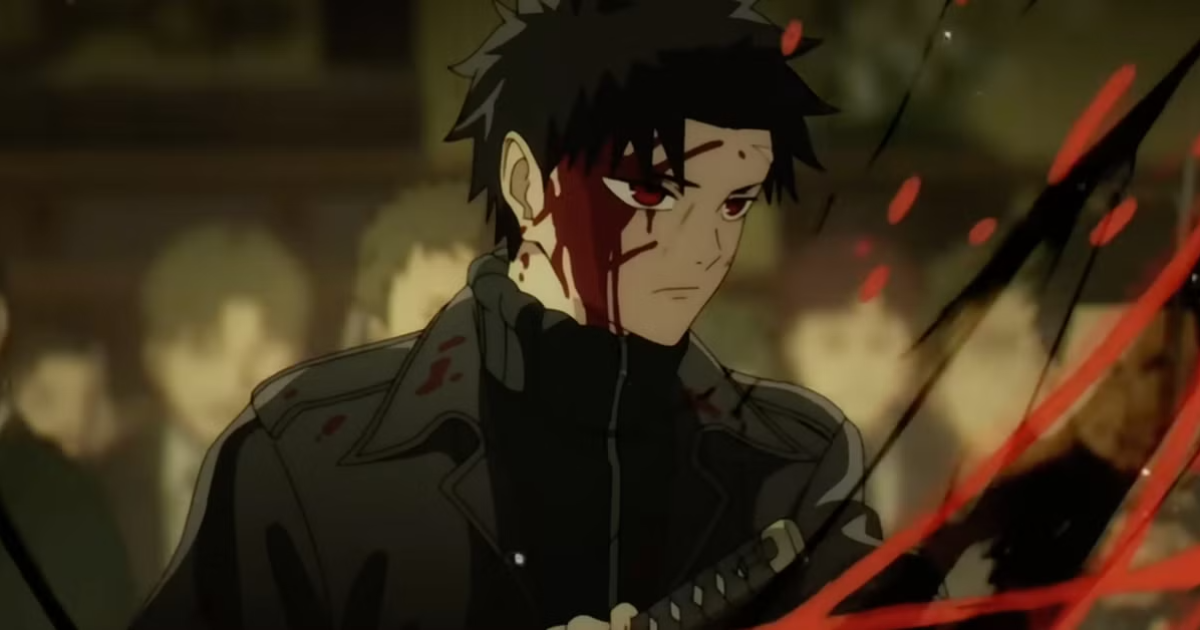
The premise is simple — a son seeks revenge for his swordsmith father using one of the magical katanas his father forged — and that simplicity is the hook. For viewers tracking Kagurabachi anime adaptation week by week, this is one of the moments where the season is doing something more interesting than it first appears. The emotional detail matters because an ongoing anime has to keep its weekly audience oriented while also rewarding the people waiting for the full cour to finish. The best episodes do both at once: they land a clear weekly beat and quietly set up the larger arc payoff that long-running fans are scanning for. Treating the show only as a recap target misses that craft, so this section walks through what is actually being built underneath the spectacle.
The clearest way to read this is through why the manga blew up. A weaker discussion would simply summarise the episode list. A more useful one asks why the production team chose this pacing, which beats the source material expects the adaptation to land hardest, and what the season is signalling about the arcs that have not aired yet. That lens matters more for ongoing anime than for finished classics, because the show is being judged in real time and a single weak cour can reshape the entire conversation around the franchise. Readers searching for Kagurabachi anime adaptation updates usually want this kind of context, not just a plot synopsis they can find on a wiki.
That is also why this beat is worth flagging before the next batch of episodes lands. The fight choreography on the page is exceptionally legible, with clean panel-to-panel motion that is rare in modern shōnen and that translates well to animation. Once you notice the pattern, the show stops feeling like isolated highlight clips and starts feeling like a deliberate adaptation choice. This is especially important in anime, where studio scheduling, cour breaks, voice direction and music cues can shift the meaning of a scene without changing a line of source dialogue. A good preview or review names those choices clearly so the reader can spot them on their next watch instead of only seeing them after a YouTube essay months later.
What anime fans should expect from Chihiro
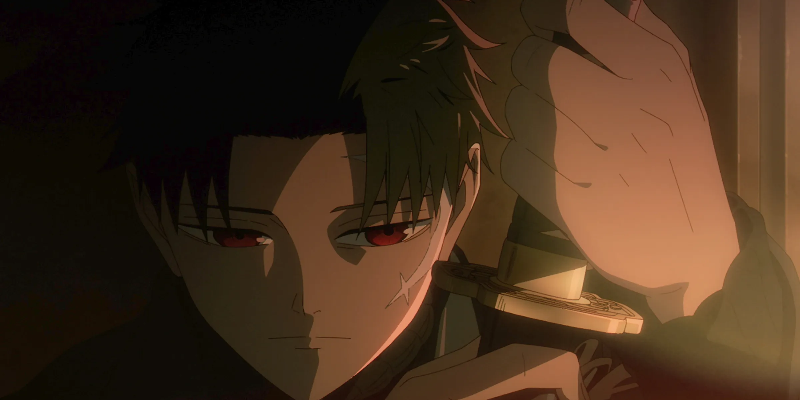
He is not a typical Jump protagonist; he speaks little and does not perform grief for the audience. For viewers tracking Kagurabachi anime adaptation week by week, this is one of the moments where the season is doing something more interesting than it first appears. The emotional detail matters because an ongoing anime has to keep its weekly audience oriented while also rewarding the people waiting for the full cour to finish. The best episodes do both at once: they land a clear weekly beat and quietly set up the larger arc payoff that long-running fans are scanning for. Treating the show only as a recap target misses that craft, so this section walks through what is actually being built underneath the spectacle.
The clearest way to read this is through what anime fans should expect from chihiro. A weaker discussion would simply summarise the episode list. A more useful one asks why the production team chose this pacing, which beats the source material expects the adaptation to land hardest, and what the season is signalling about the arcs that have not aired yet. That lens matters more for ongoing anime than for finished classics, because the show is being judged in real time and a single weak cour can reshape the entire conversation around the franchise. Readers searching for Kagurabachi anime adaptation updates usually want this kind of context, not just a plot synopsis they can find on a wiki.
That is also why this beat is worth flagging before the next batch of episodes lands. The Sword arcs reward viewers who pay attention to small details, especially the names and abilities of each enchanted blade. Once you notice the pattern, the show stops feeling like isolated highlight clips and starts feeling like a deliberate adaptation choice. This is especially important in anime, where studio scheduling, cour breaks, voice direction and music cues can shift the meaning of a scene without changing a line of source dialogue. A good preview or review names those choices clearly so the reader can spot them on their next watch instead of only seeing them after a YouTube essay months later.
What the studio choice signals
A studio with a strong hand-drawn action history would be the safest fit; the manga's appeal depends on weight and impact rather than CG flash. For viewers tracking Kagurabachi anime adaptation week by week, this is one of the moments where the season is doing something more interesting than it first appears. The emotional detail matters because an ongoing anime has to keep its weekly audience oriented while also rewarding the people waiting for the full cour to finish. The best episodes do both at once: they land a clear weekly beat and quietly set up the larger arc payoff that long-running fans are scanning for. Treating the show only as a recap target misses that craft, so this section walks through what is actually being built underneath the spectacle.
The clearest way to read this is through what the studio choice signals. A weaker discussion would simply summarise the episode list. A more useful one asks why the production team chose this pacing, which beats the source material expects the adaptation to land hardest, and what the season is signalling about the arcs that have not aired yet. That lens matters more for ongoing anime than for finished classics, because the show is being judged in real time and a single weak cour can reshape the entire conversation around the franchise. Readers searching for Kagurabachi anime adaptation updates usually want this kind of context, not just a plot synopsis they can find on a wiki.
That is also why this beat is worth flagging before the next batch of episodes lands. The composer matters more than usual because Chihiro's emotional restraint leaves a lot of room for music to carry tone. Once you notice the pattern, the show stops feeling like isolated highlight clips and starts feeling like a deliberate adaptation choice. This is especially important in anime, where studio scheduling, cour breaks, voice direction and music cues can shift the meaning of a scene without changing a line of source dialogue. A good preview or review names those choices clearly so the reader can spot them on their next watch instead of only seeing them after a YouTube essay months later.
How to read the hype responsibly
The early manga hype waves were memed heavily online, but the actual readership has stayed and grown, which is the better signal. For viewers tracking Kagurabachi anime adaptation week by week, this is one of the moments where the season is doing something more interesting than it first appears. The emotional detail matters because an ongoing anime has to keep its weekly audience oriented while also rewarding the people waiting for the full cour to finish. The best episodes do both at once: they land a clear weekly beat and quietly set up the larger arc payoff that long-running fans are scanning for. Treating the show only as a recap target misses that craft, so this section walks through what is actually being built underneath the spectacle.
The clearest way to read this is through how to read the hype responsibly. A weaker discussion would simply summarise the episode list. A more useful one asks why the production team chose this pacing, which beats the source material expects the adaptation to land hardest, and what the season is signalling about the arcs that have not aired yet. That lens matters more for ongoing anime than for finished classics, because the show is being judged in real time and a single weak cour can reshape the entire conversation around the franchise. Readers searching for Kagurabachi anime adaptation updates usually want this kind of context, not just a plot synopsis they can find on a wiki.
That is also why this beat is worth flagging before the next batch of episodes lands. The healthiest expectation is a tightly produced first cour that adapts the early Sword arcs cleanly. Anything more is a bonus. Once you notice the pattern, the show stops feeling like isolated highlight clips and starts feeling like a deliberate adaptation choice. This is especially important in anime, where studio scheduling, cour breaks, voice direction and music cues can shift the meaning of a scene without changing a line of source dialogue. A good preview or review names those choices clearly so the reader can spot them on their next watch instead of only seeing them after a YouTube essay months later.
What to watch for next
Because this article covers an ongoing or imminent anime, it should be revisited as new episodes air or new production information is confirmed. Update the section above if a cour break is announced, if a key staff member changes, or if the studio releases a new visual that meaningfully changes the reading. Avoid editing in unverified leaks; let the official broadcast and the licensed simulcast platforms set the floor for what counts as confirmed.
If you are arriving here mid-season, the safest first step is to finish the most recently aired episode before reading the later sections. The piece is structured so that the early sections stay safe for catch-up viewers, while later sections assume you are caught up to the latest broadcast week.