Ongoing tensions in the Middle East have sparked a surge in oil prices, leading to increased volatility in global markets. According to officials from the International Energy Agency (IEA), oil disruptions are not only affecting the region but also having far-reaching implications for energy security worldwide.
"We're seeing a perfect storm of supply chain disruptions, geopolitics, and economic uncertainty, all of which are converging to create unprecedented challenges for the global energy sector," said Ramesh Rajah, Chief Economist at the IEA. "It's imperative that nations come together to address these challenges and ensure a stable energy supply."
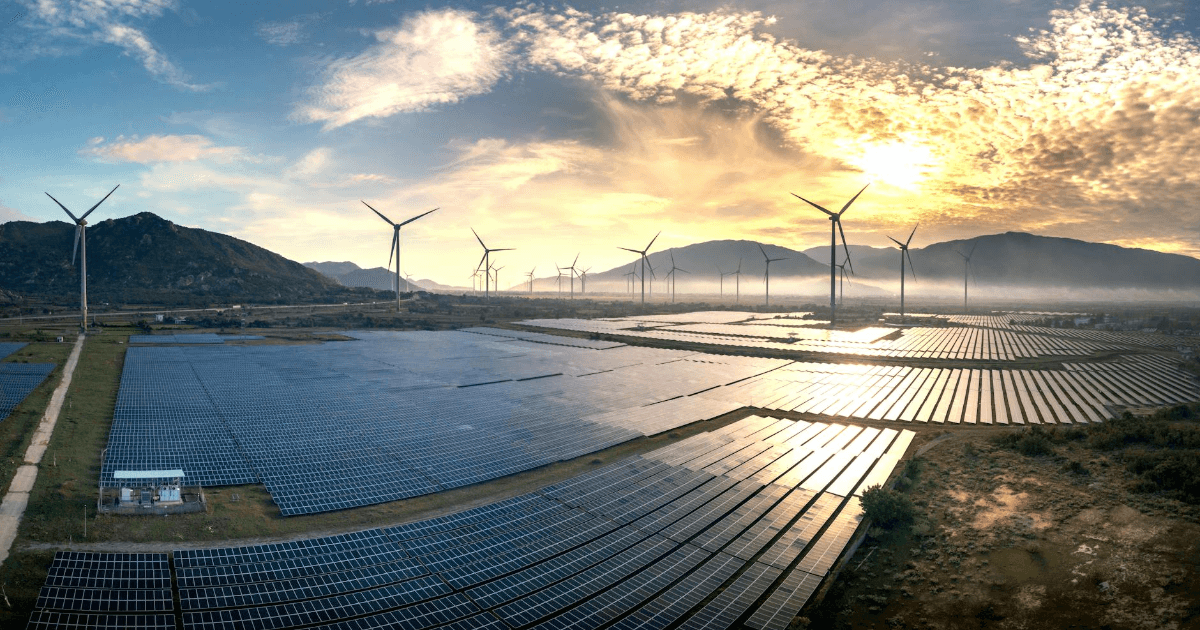
Global shocks have led to a significant increase in energy policy activity and government spending. Reports indicate that governments are taking proactive measures to address the crisis, including investments in renewable energy sources and energy efficiency initiatives.
The IEA has also highlighted the importance of improving energy efficiency in buildings and industries, citing it as a key strategy for reducing greenhouse gas emissions and promoting sustainable development. "By investing in energy-efficient technologies and practices, countries can reduce their carbon footprint and create new economic opportunities," said Rajah.

The rising oil prices are having a significant impact on global markets, with commodity prices experiencing sharp fluctuations. According to officials, the situation is being closely monitored by financial markets, with traders taking precautions to mitigate potential losses.
Investors are also keeping a close eye on the situation, as it has implications for the global economy and could lead to increased volatility in financial markets. "The oil price surge is already starting to trickle down into the broader economy, with higher energy costs affecting consumer spending and business investment," said a senior economist at Goldman Sachs.
The ongoing crisis highlights the need for a new era of energy security that prioritizes cooperation and collaboration among nations. According to reports, international organizations are working closely with governments to develop strategies for addressing the challenges posed by rising oil disruptions.
As the situation continues to unfold, officials are urging caution and emphasizing the need for continued cooperation among nations. "We need to work together to address this critical issue and ensure a stable energy supply," said Rajah. "The future of energy security remains uncertain, but one thing is clear: the world needs to work together to address this challenge."