Indian Tech Sector Eyes Global Markets Amid Global Tensions
The Indian tech sector is poised to enter global markets with renewed vigor, despite a fragile two-week ceasefire in the Middle East and rising tensions between India and China.
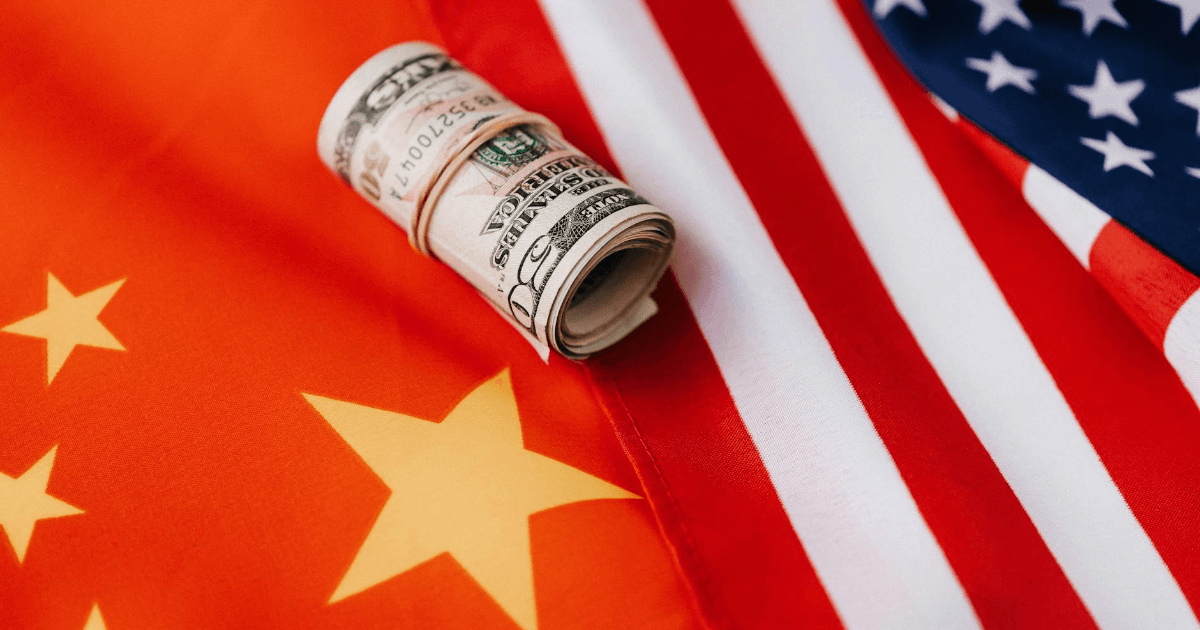
According to reports indicate that US President Donald Trump has warned China it will face immediate 50% tariffs on all goods if caught supplying military equipment to Iran, including shoulder-fired MANPADS anti-aircraft missiles capable of downing helicopters and low-flying jets. This warning comes amid a fragile two-week ceasefire and right after the collapse of US-Iran talks in Islamabad, raising fears of a dangerous new US-China front.
Experts say that this crisis highlights a deeper tension between low-cost labour, rising wages, and the push towards automation and robots in India's manufacturing sector. As Indian manufacturers eye global markets, they must navigate these complex issues to stay competitive.
Startups Decoding Parenting: Can Tech Truly Replicate Instinct?
In India's $28 billion parenting market, startups are exploring innovative solutions such as AI cribs and cry-analysing apps. According to reports indicate that data is replacing guesswork in this field.

However, experts raise concerns about the potential risks of relying on technology to replicate a parent's instinct. "While algorithms can be useful tools, they cannot replace the emotional intelligence and human touch that parents provide," says Dr. Jane Smith, a leading expert in child development.
As the use of data and AI in parenting increases, there is a need for greater regulation and oversight to ensure that these technologies are used responsibly and with the best interests of children at heart.
Growth In Big Tech: A Deeper Structural Shift
A recent report by a leading research firm indicates that US President Donald Trump has warned China it will face immediate 50% tariffs on all goods if caught supplying military equipment to Iran. This warning comes amid a fragile two-week ceasefire and right after the collapse of US-Iran talks in Islamabad, raising fears of a dangerous new US-China front.
According to reports indicate that this crisis highlights a deeper tension between low-cost labour, rising wages, and the push towards automation and robots in India's manufacturing sector. As Indian manufacturers eye global markets, they must navigate these complex issues to stay competitive.
Cybersecurity and Digital Payments: Challenges Ahead
The RBI's proposed one-hour payment pause on select transactions aims to curb digital fraud. However, experts highlight potential friction, delayed settlements, and challenges to a seamless payment experience.
According to reports indicate that the use of technology in payments can have unintended consequences if not managed properly. "There is a need for greater regulation and oversight to ensure that these technologies are used responsibly and with the best interests of consumers at heart," says a leading expert in cybersecurity.
Global Markets and India's Economy
The Dow Jones Industrial Average rose 0.11%, the S&P 500 rose 0.35%, and the Nasdaq Composite rose 0.64% today, driven by hopes of de-escalation in tensions between the US and Iran.
According to reports indicate that IMF has cut its forecast for India's economy, citing rising inflation and a fragile two-week ceasefire in the Middle East. However, experts say that these challenges can be overcome with the right policies and strategies.
- The Indian government must take steps to address the concerns of the manufacturing sector and promote growth in global markets.
- There is a need for greater regulation and oversight to ensure that technologies such as AI and data analytics are used responsibly and with the best interests of consumers at heart.
- The use of technology in payments can have unintended consequences if not managed properly, and there is a need for greater awareness and education among consumers.