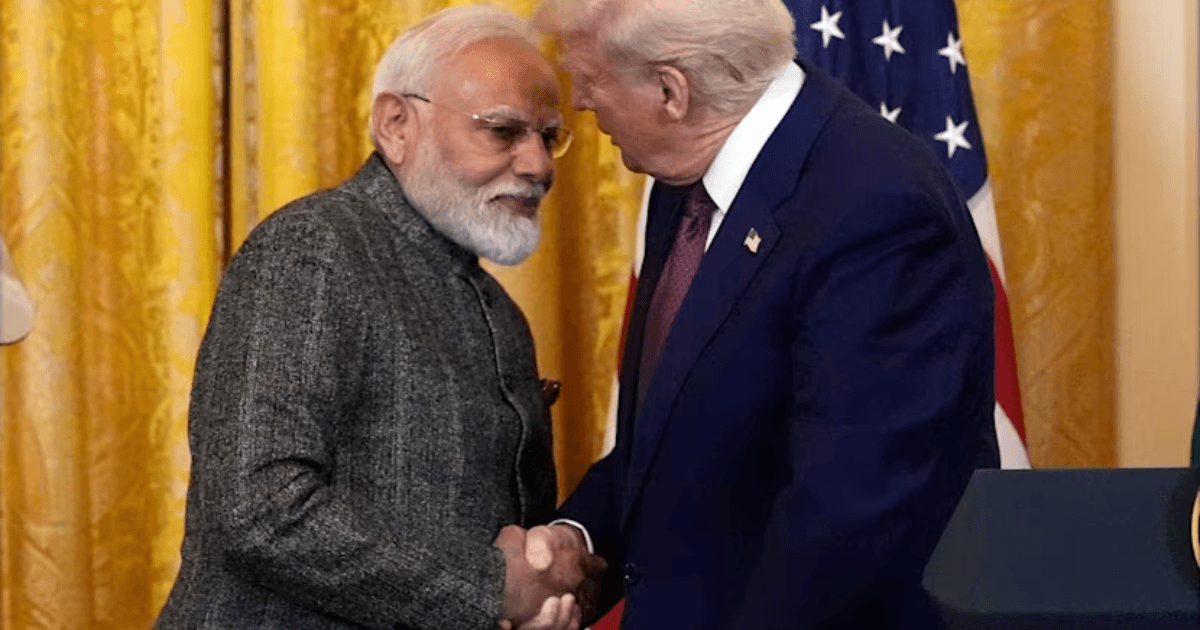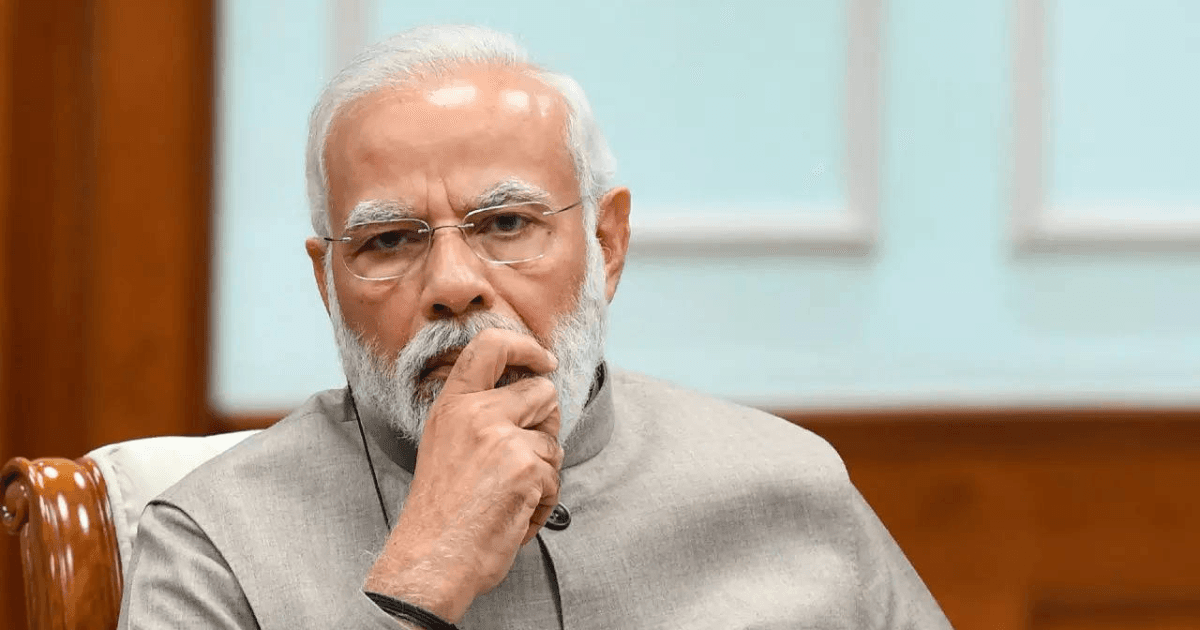
The recent phone call between Prime Minister Modi and US President Trump highlighted the significance of their Comprehensive Global Strategic Partnership, a framework aimed at fostering robust bilateral ties and addressing shared global challenges.
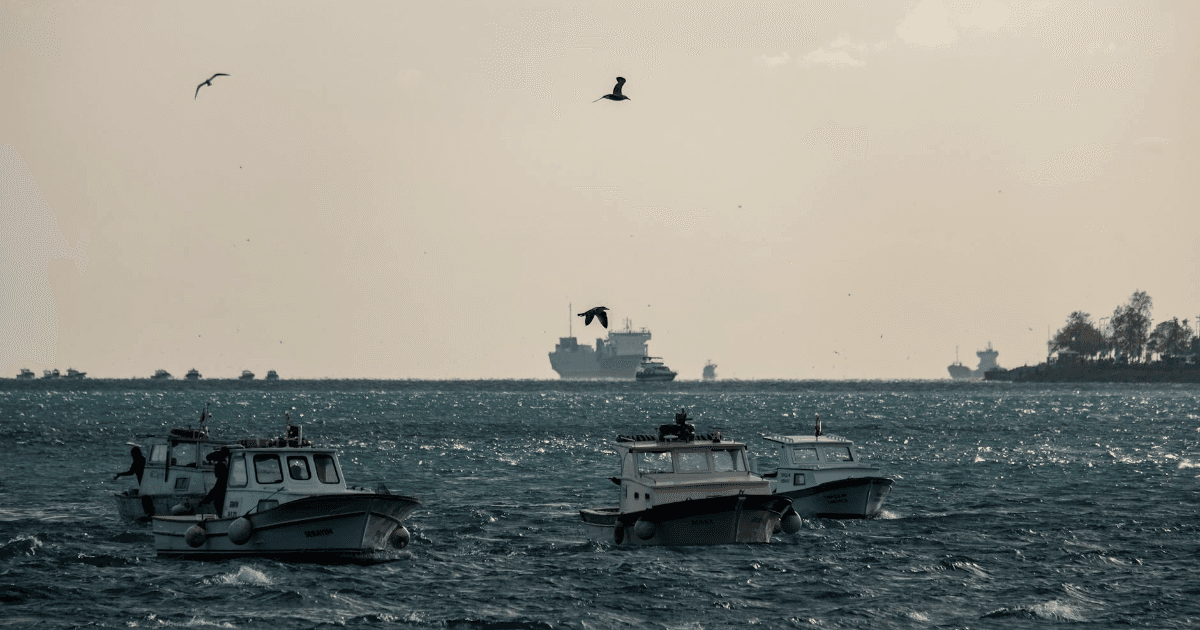
During the conversation, the two leaders emphasized the importance of international codes and maritime access in strengthening India-US relations. They also discussed the critical situation in West Asia, where tensions between regional actors are escalating, and the need to secure the Strait of Hormuz to ensure maritime trade and security.
According to officials, a defense agreement between Saudi Arabia and Pakistan has been activated, following a formal signing in 2020. This development comes after Saudi Arabia announced that Pakistani military forces, including aircraft, had arrived at King Abdulaziz Air Base in the kingdom's Eastern Sector to boost joint operational readiness.
The discussion between Prime Minister Modi and US President Trump also underscored the need for a secure and open Strait of Hormuz, which is crucial for maritime powers like India. The activation of this defense agreement amid escalating regional tensions underscores the complexities of international relations in the region.

India's strategic interests are contingent on the stability of the region, particularly in the Strait of Hormuz. The country relies heavily on maritime trade and security in the region, and any disruption to these efforts can have far-reaching consequences for the Indian economy and national security.
The phone call between Prime Minister Modi and US President Trump had significant diplomatic implications, with both leaders emphasizing the need for a secure and open Strait of Hormuz. The two countries are working closely together on regional security issues and will continue to cooperate on these efforts.
The situation in West Asia also has significant economic implications for India and other regional actors. The Strait of Hormuz is a critical chokepoint for global oil supplies, and any disruption to maritime trade can have far-reaching consequences for the energy market.
According to reports, the Indian government is closely monitoring the situation in West Asia and is working to mitigate any potential disruptions to maritime trade. The country's economic growth prospects are contingent on the stability of the region, particularly in the Strait of Hormuz.
The situation in West Asia is a critical regional security concern for India and other actors in the region. The activation of this defense agreement raises significant strategic concerns about the potential for conflict in the region.
According to officials, the Indian government is working closely with regional partners to promote stability and security in the region. The country's national security strategy is contingent on the stability of the region, particularly in the Strait of Hormuz.
The situation in West Asia also has significant implications for global security. The Strait of Hormuz is a critical chokepoint for global oil supplies, and any disruption to maritime trade can have far-reaching consequences for the energy market.
The international community is closely monitoring the situation in West Asia and is working to promote stability and security in the region. The United Nations has called for an end to hostilities and a return to diplomatic efforts.
The recent phone call between Prime Minister Modi and US President Trump highlights the need for continued cooperation and dialogue among regional actors to address the critical situation in West Asia. The Indian government will continue to work closely with regional partners and the international community to promote stability and security in the region.