US-Iran Tensions Escalate Amid Blockade of Strait of Hormuz
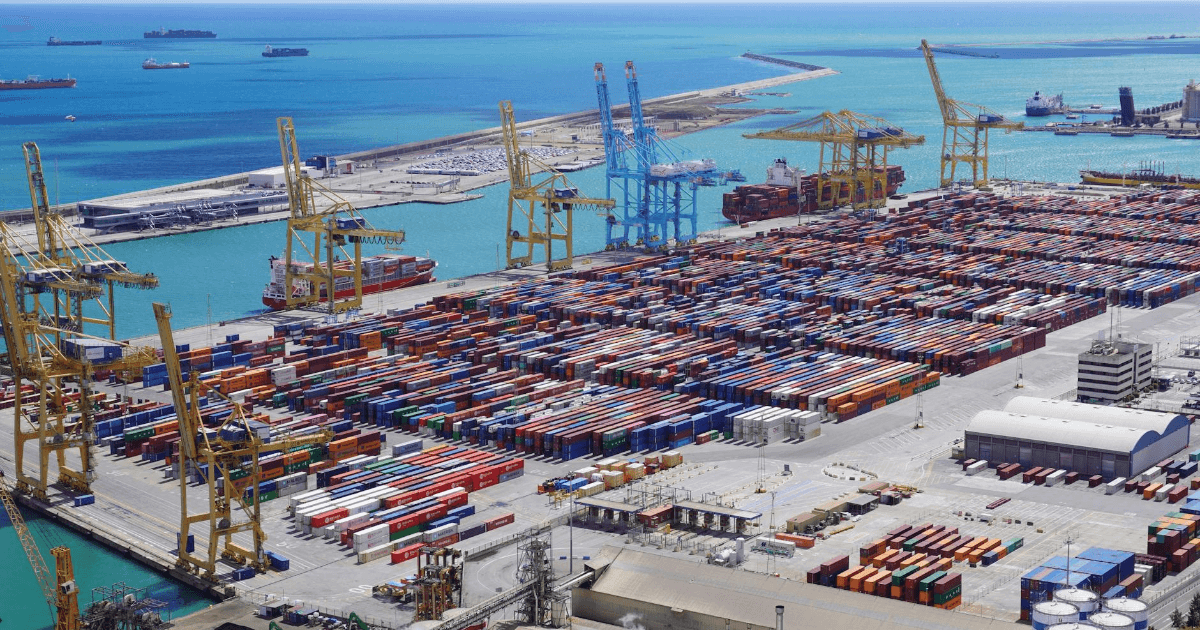
The United States has imposed a naval blockade on Iran's strategic waterway, the Strait of Hormuz, in an attempt to curb Tehran's nuclear ambitions. However, Iranian officials claim that they are not intimidated by the move and are instead preparing for economic countermeasures.
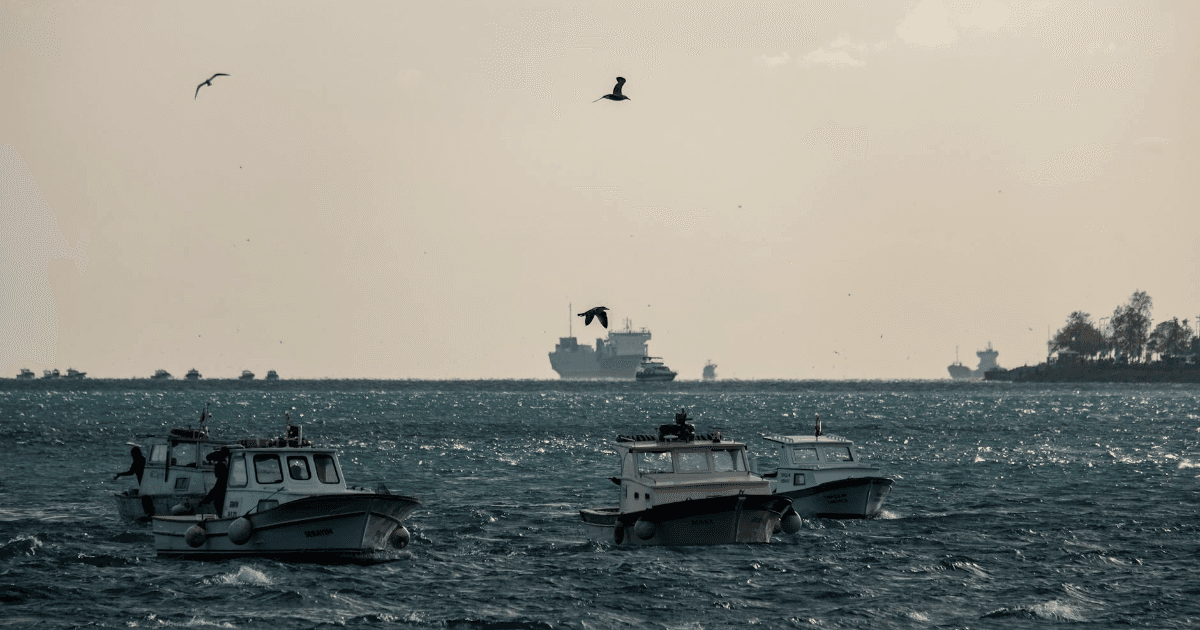
According to reports, three ships have already passed through the strait since the blockade was imposed, sparking concerns among regional powers about the potential consequences of such actions. Meanwhile, Iran's interior minister has vowed to neutralize any "blockade threat" with border trade and other measures.
Regional Reactions and Implications
The US-Iran standoff is being closely watched by regional actors, including Saudi Arabia and Pakistan. Analysts argue that both countries face difficult balancing acts in their relations with the United States and Iran.
- Pakistani officials believe they can navigate these competing interests effectively, but experts warn of potential tensions if the situation escalates further.
- Analysts also predict that a prolonged blockade could have significant economic implications for both countries involved, including reduced global oil demand and potential supply chain disruptions.
- Regional powers are urged to exercise restraint in their reactions to this crisis, lest they inadvertently fuel further tensions.
Economic Fallout and Humanitarian Concerns
The blockade is expected to have far-reaching economic consequences for both Iran and the United States. Iran's economy has already suffered significantly due to international sanctions, and the blockade could exacerbate this situation.

Humanitarian concerns are also being raised by analysts, who warn that the blockade could lead to shortages of food, medicine, and other essential supplies in Iran and surrounding countries.
Consequences for Global Oil Demand
The International Energy Agency (IEA) has predicted that a prolonged blockade of the Strait of Hormuz could lead to a significant decline in global oil demand, potentially affecting not only regional economies but also those around the world.
This development is being closely monitored by energy markets and analysts, who are urging calm due to the potential for rapid escalation or de-escalation of tensions.
Humanitarian Consequences
According to reports, at least 26 people have been killed in Israel as a result of US military strikes targeting Iranian missile sites. The situation remains highly volatile, with ongoing fighting reported across the region.
The humanitarian toll is being closely watched by international observers and human rights organizations, who are calling for restraint and de-escalation of violence.