The world is witnessing a flurry of activities on multiple fronts, with significant developments taking place in the realms of geopolitics, social justice, and electoral politics. In recent days, several global hotspots have witnessed heightened tensions, leading to a surge in news and updates that are shaping the world's narrative.
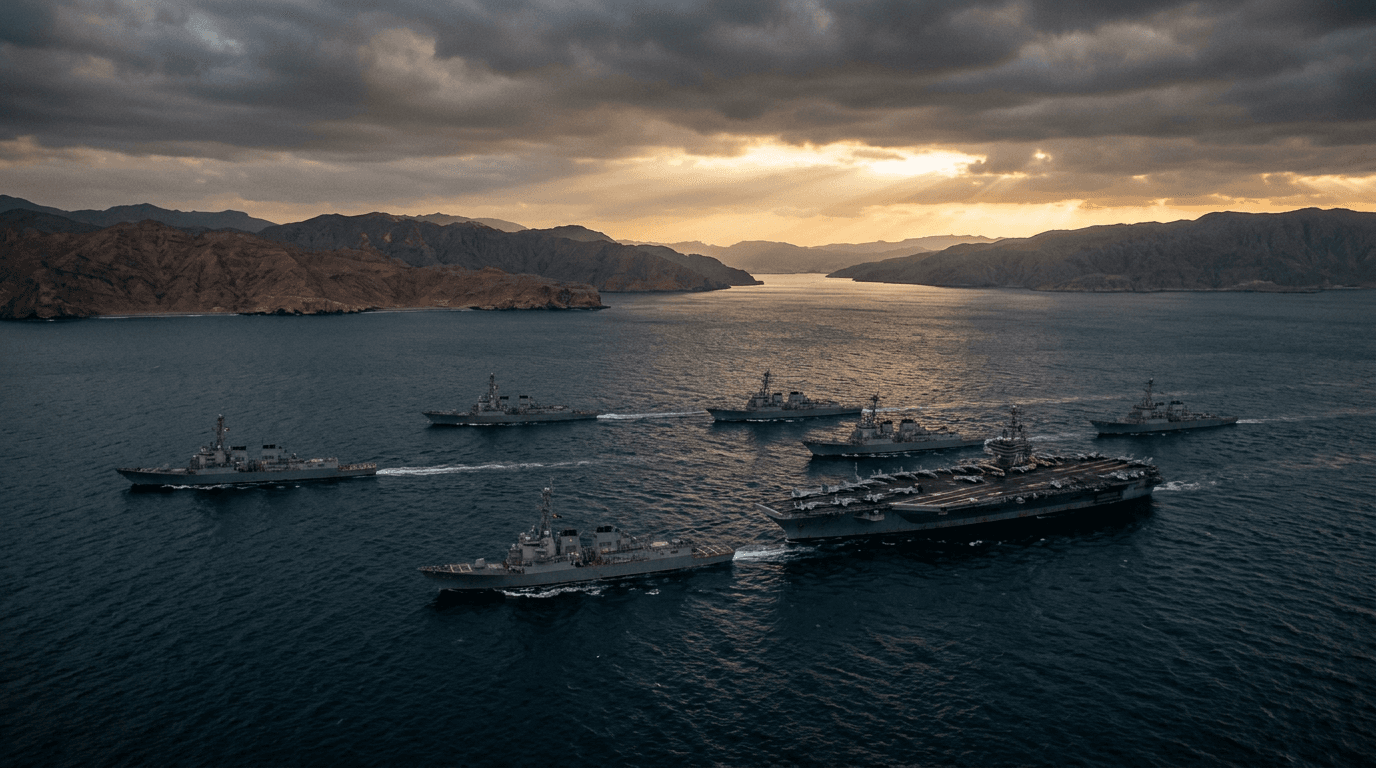
In a statement posted on his social media platform, US President Donald Trump claimed that Iran's navy has been largely destroyed in recent fighting, with 158 ships sunk. However, international mediators have urged respect for a fragile ceasefire and the resumption of talks to end the conflict. The US naval blockade, imposed after a high-level American delegation returned empty-handed from talks in Pakistan, took effect at 1400 GMT on Monday. The measure would apply to all ships either leaving or seeking to dock at Iranian harbours, including all Iranian ports on the Arabian Gulf and the Gulf of Oman.
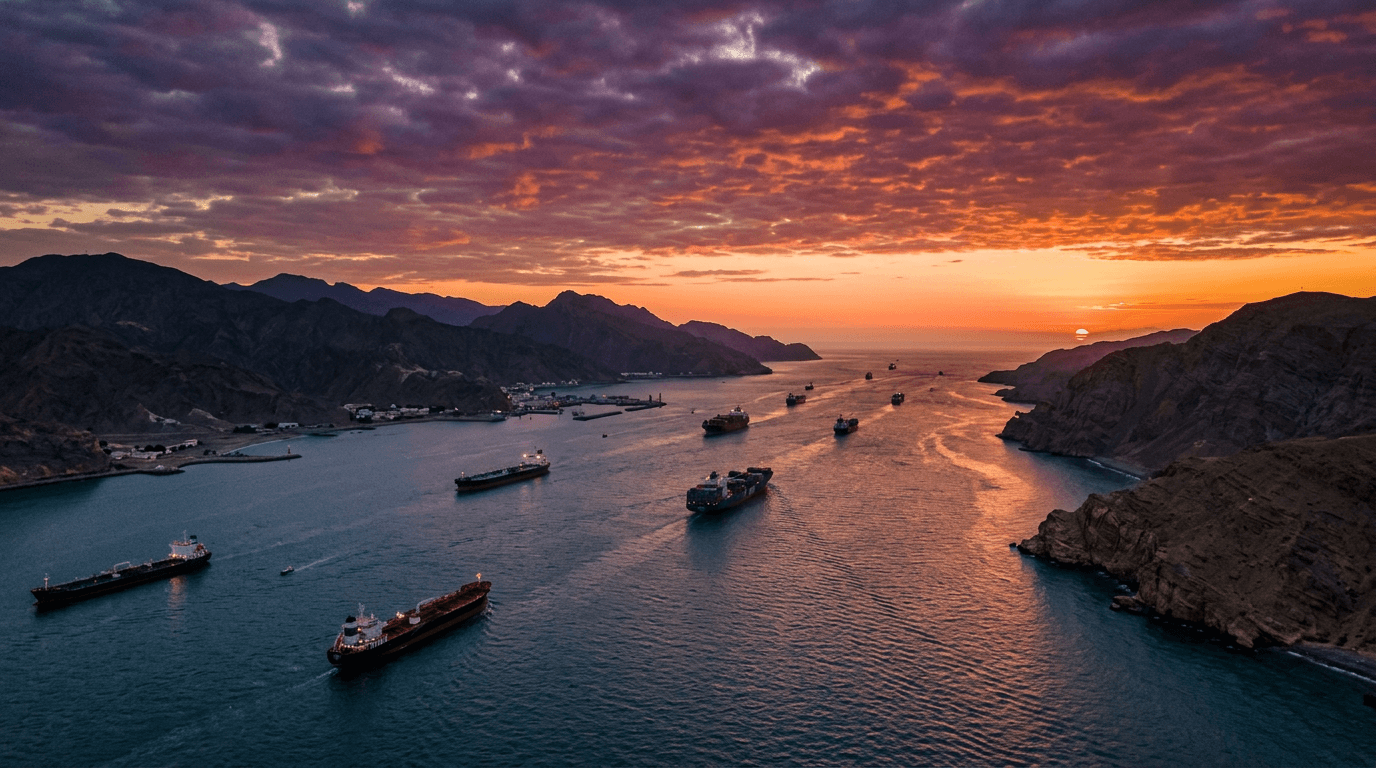
The US naval blockade is a complex issue with far-reaching implications for global trade and commerce. With a significant portion of the world's oil passing through the Strait of Hormuz, the blockade could lead to severe disruptions in the global energy market. Furthermore, the blockade may also have unintended consequences for regional stability, potentially escalating tensions between Iran and its adversaries.
Meanwhile, protests by factory employees demanding an increase in wages turned violent in Noida on Monday as protestors set fire to vehicles and pelted stones in the Sector 62 area. The police said traffic was diverted at four locations in Noida for one hour due to the protest, affecting thousands of commuters who rely on public transport to reach their destinations.
On a related note, the women's reservation bill has sparked intense debate among politicians and social activists. Sonia Gandhi has argued for women's quota but against delimitation based on old census, while Prime Minister Narendra Modi says quota before 2029 was demanded by Opposition. The government will need some Opposition help to pass these bills, as constitutional amendments need a two-thirds majority which the BJP-led NDA does not have.
The Supreme Court has expressed reluctance to allow persons excluded from the electoral rolls to vote in the upcoming West Bengal assembly elections while their appeals are pending before the appellate tribunals. The bench comprising Chief Justice of India Surya Kant and Justice Joymalya Bagchi indicated that it might consider the plea to allow the publication of supplementary rolls to include persons whose appeals are allowed before the assembly elections.
A detailed analysis of the claims made in the article is as follows:
- The claim that Iran's navy has been largely destroyed with 158 ships sunk in recent fighting raises concerns about the accuracy of the information. While international mediators have urged respect for a fragile ceasefire, the US government's assertion may be overstated.
- The police statement regarding the protest in Noida appears to be credible, as it is often difficult to fabricate such details without being caught.
- Sonia Gandhi's stance on women's quota and delimitation based on old census is a legitimate policy debate. However, the BJP-led NDA does not have the required majority to pass these bills without Opposition support.
- The Supreme Court's reluctance to allow persons excluded from the electoral rolls to vote in the upcoming West Bengal assembly elections while their appeals are pending before the appellate tribunals is a plausible position given the existing legal framework.