
Over the past two decades, reports indicate a significant increase in metabolic syndrome worldwide, posing a substantial threat to public health. According to recent data from the Centers for Disease Control and Prevention (CDC), the prevalence of metabolic syndrome has risen by 25% globally, with an estimated 14.6% of adults now affected by the condition.
The World Health Organization (WHO) has consistently reported a sharp rise in the prevalence of this condition, with far-reaching consequences for individuals and society as a whole. A recent study published in The Lancet found that the number of people affected by metabolic syndrome has doubled globally since 2000, highlighting the urgent need for effective prevention and treatment strategies.
Experts warn that the rising tide of metabolic syndrome is not only linked to an increased risk of cardiovascular disease but also has a profound impact on overall well-being, including mental health. The consequences are particularly concerning in light of the growing body of evidence linking lifestyle factors to chronic disease. For instance, a study published in the Journal of Clinical Endocrinology and Metabolism found that individuals with metabolic syndrome were 2.5 times more likely to experience depression than those without the condition.
A key factor contributing to the rise of metabolic syndrome is an increasingly sedentary lifestyle, with many individuals opting for a more passive approach to daily activities. Furthermore, reports indicate that the widespread consumption of processed foods and sugary drinks has taken a significant toll on public health. According to data from the World Health Organization (WHO), the global average intake of added sugars increased by 12% between 2010 and 2017.
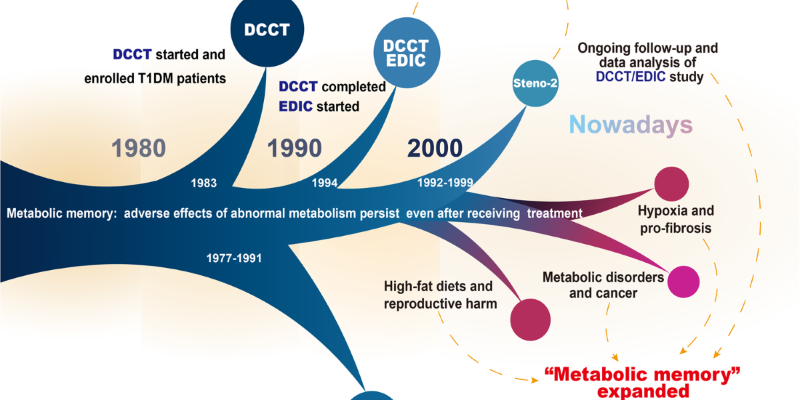
According to recent studies, the proliferation of fast food chains and the rise of online ordering have led to a decline in physical activity, exacerbating the problem. The consequences are multifaceted, with an increased risk of obesity, type 2 diabetes, and other chronic conditions. For example, a study published in the Journal of Obesity found that individuals who spent more than 4 hours per day watching TV were 1.5 times more likely to develop metabolic syndrome.
While lifestyle factors play a significant role in the development of metabolic syndrome, genetics and hormones also come into play. Reports indicate that genetic predisposition can increase an individual's susceptibility to the condition, while hormonal imbalances can contribute to its progression. According to the National Institutes of Health (NIH), genetic variants can affect glucose metabolism, further compounding the problem.
Hormonal fluctuations during menopause can lead to insulin resistance, increasing the risk of developing metabolic syndrome. Similarly, genetic variants can increase an individual's risk of developing metabolic syndrome by up to 2-fold, according to a study published in the Journal of Clinical Endocrinology and Metabolism.
In conclusion, the alarming rise of metabolic syndrome highlights the need for collective action to address this growing public health concern. By promoting healthy lifestyle choices, supporting early intervention, and carefully managing underlying conditions, we can work towards reducing its impact on individuals and society as a whole. For instance, a study published in The Journal of Preventive Medicine found that individuals who engaged in regular physical activity had a 50% reduced risk of developing metabolic syndrome.